Labels next to each game: learning and check means the game can be assigned either way; learning only means it runs only as learning. Who opens a game, and why speech is not assessed: how the games work.
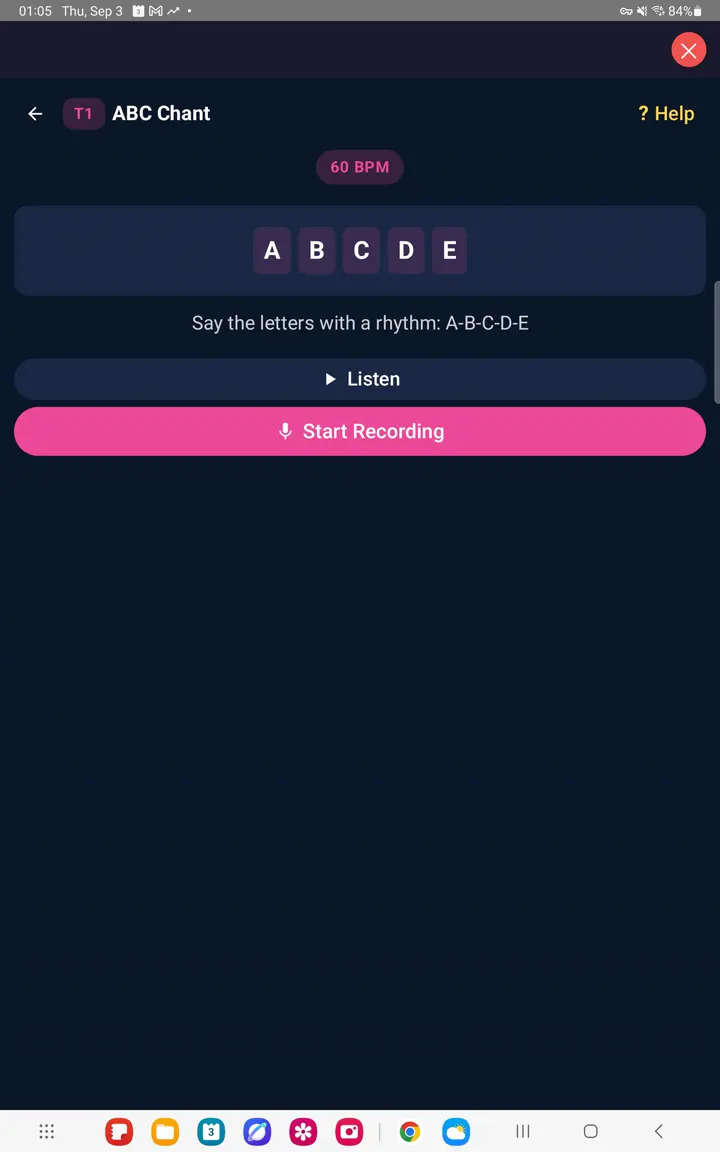
#1 ABC Chant learning only
The alphabet with rhythm in its bones. Students chant the alphabet and letter sounds to a rhythmic beat, recording themselves and getting playful feedback. Rhythm turns rote sequence into durable memory.
Draws on: Rhythmic chants and jazz-chant techniques aid retention of language patterns in young learners (Graham 1978; Patel 2008).
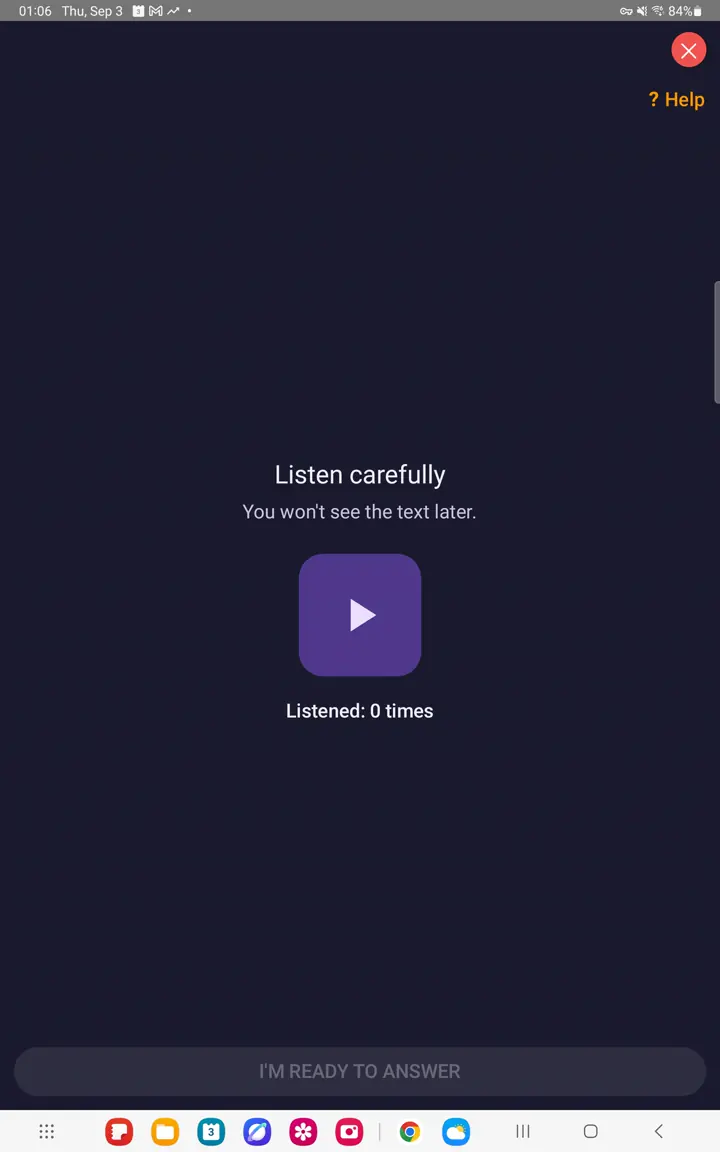
#6 Audio Story learning and check
Follow the plot with your ears. Students listen to a short narrated story and answer questions about characters, events and sequence. Stories give listening a natural structure and emotional hook that isolated sentences cannot provide.
Draws on: Narrative structure (story grammar) supports comprehension and recall far better than disconnected input (Stein & Glenn 1979).
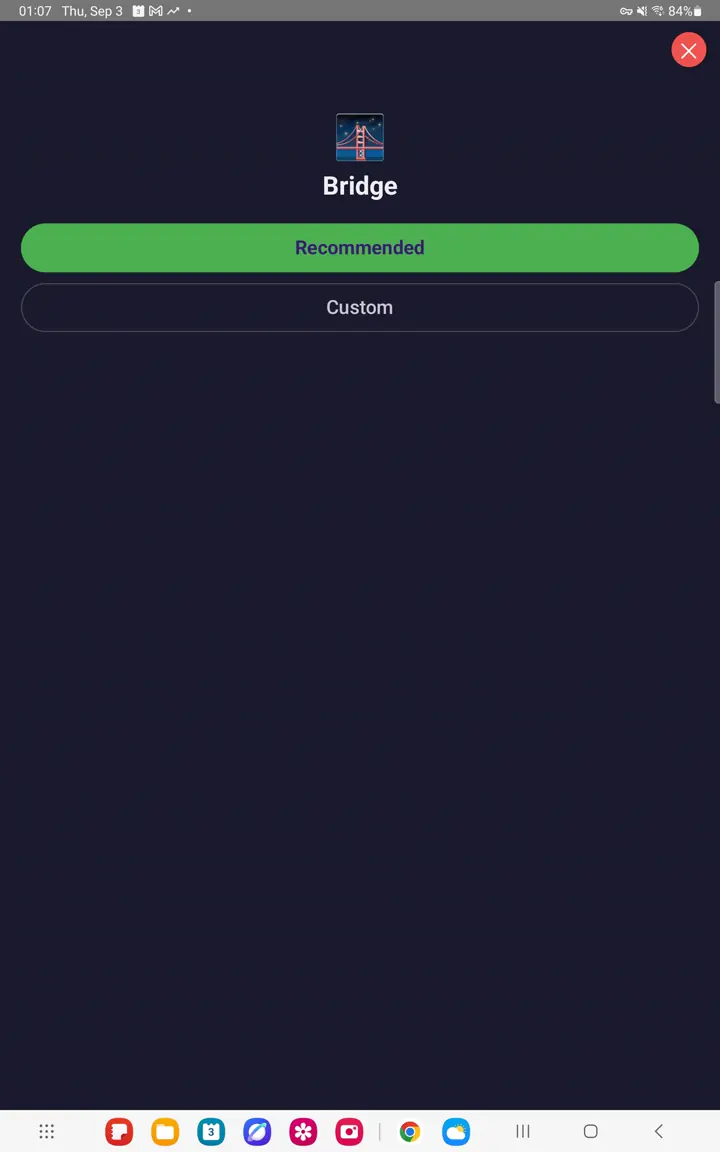
#7 Bridge learning and check
Translate in both directions Translate a phrase between the first language and English. Direction and granularity are set by the tutor.
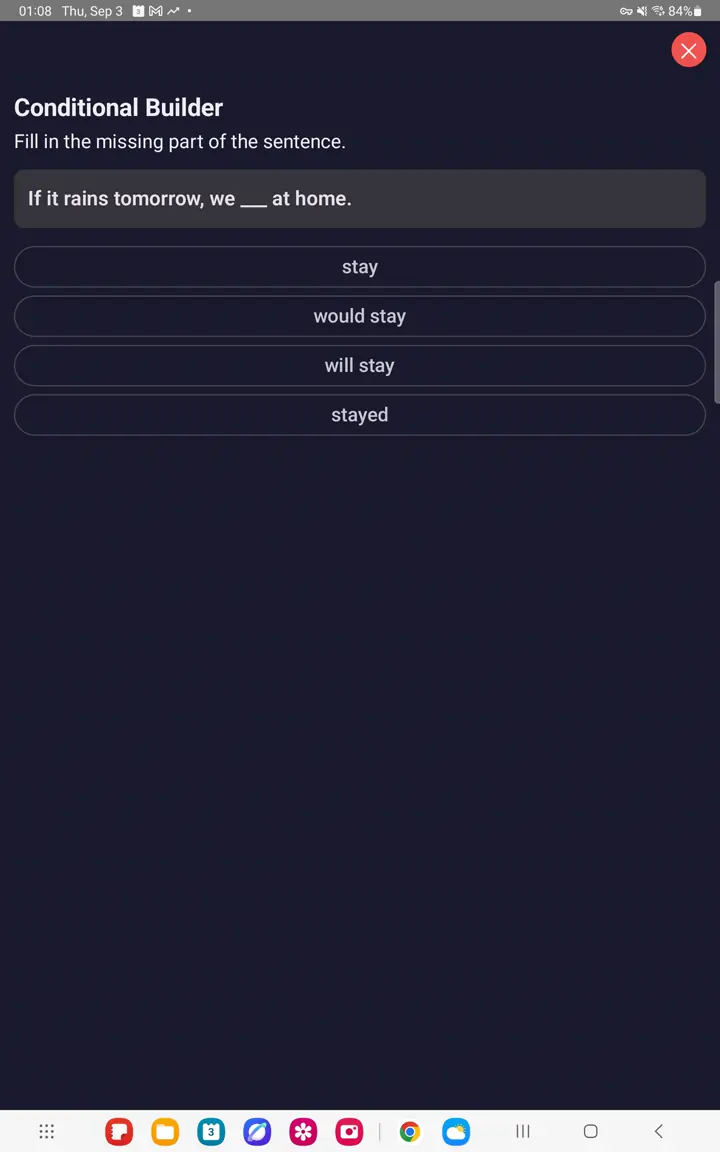
#11 Conditional Builder learning and check
If you play this game, your conditionals will improve. Given a conditional type (zero, first, second, third or mixed), the learner assembles or types the correct forms for both the if-clause and the main clause. Targets the classic if I will go error directly.
Draws on: Focus-on-form instruction: drawing attention to structure within meaningful context (Long, 1991).
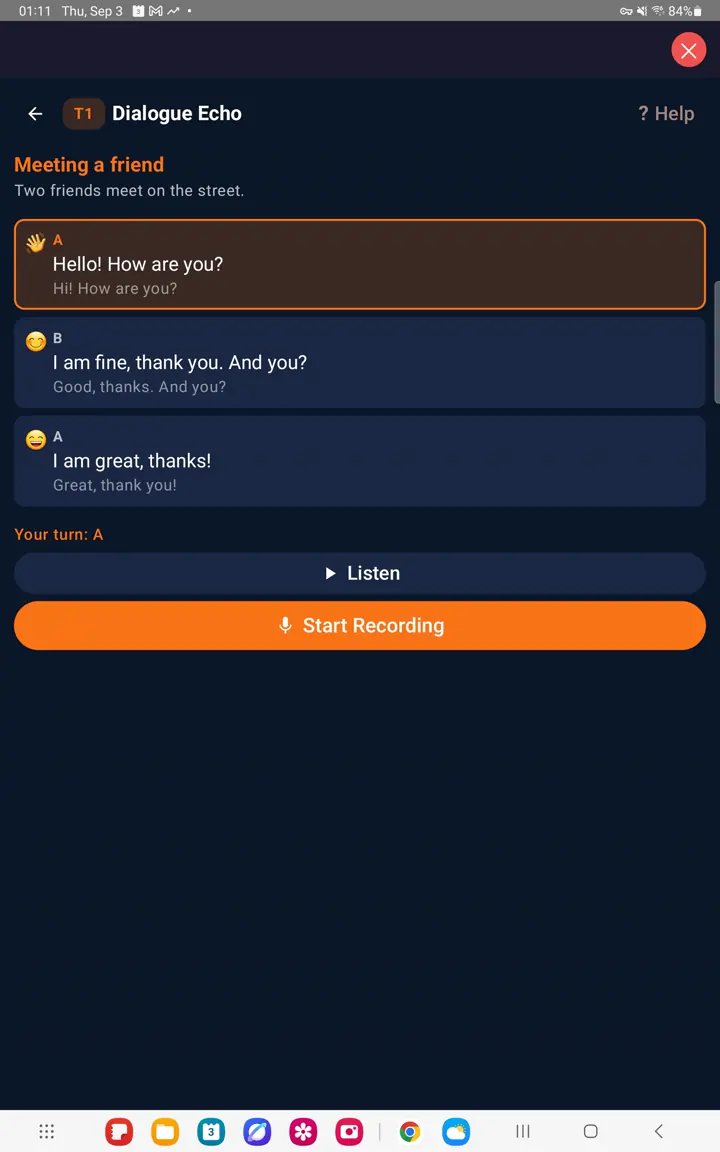
#22 Repeat the Dialogue learning only
Play your part in the conversation. Students take one role in a short dialogue, listening to the partner line and speaking their own in response. Conversational timing and turn-taking become natural through rehearsal.
Draws on: Rehearsed dialogic interaction supports internalization of language through social exchange (Vygotsky 1978; Murphey 2001).
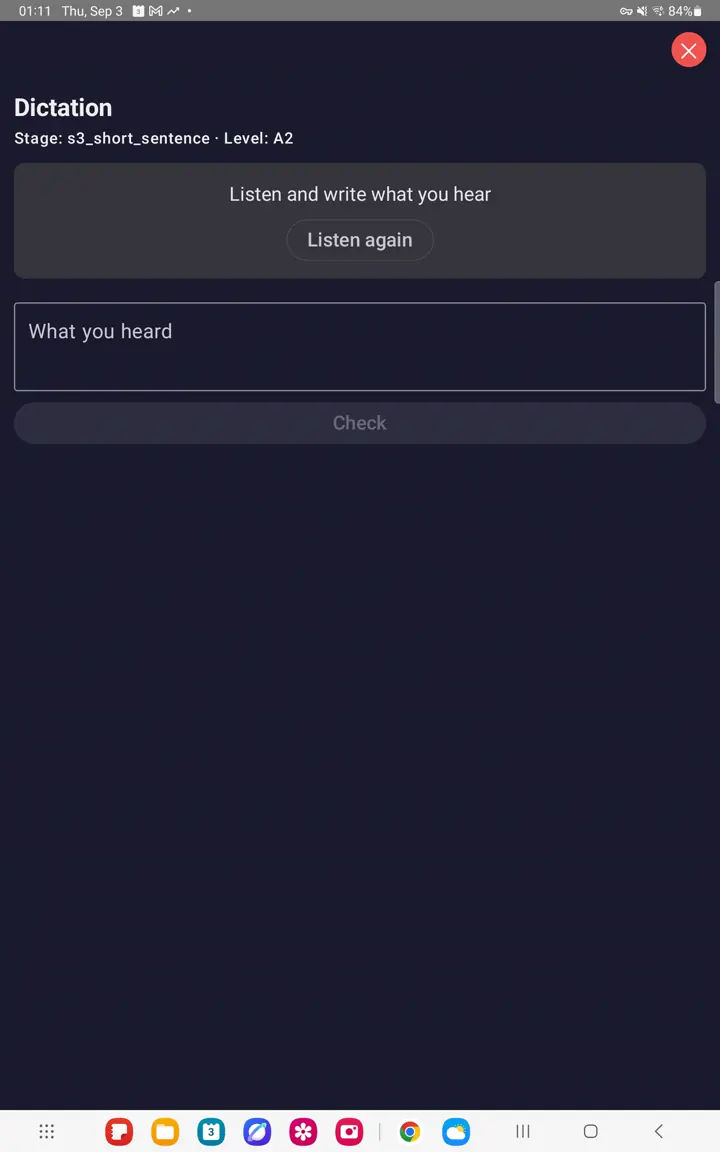
#23 Dictation learning and check
Write exactly what you hear. A classic dictation reinvented: students listen to phrases and type them word for word. The exercise links sound to spelling and exposes precise gaps between what learners hear and what they think they hear.
Draws on: Dictation is a well-validated integrative measure of language proficiency, engaging listening, grammar and spelling simultaneously (Oller 1979).
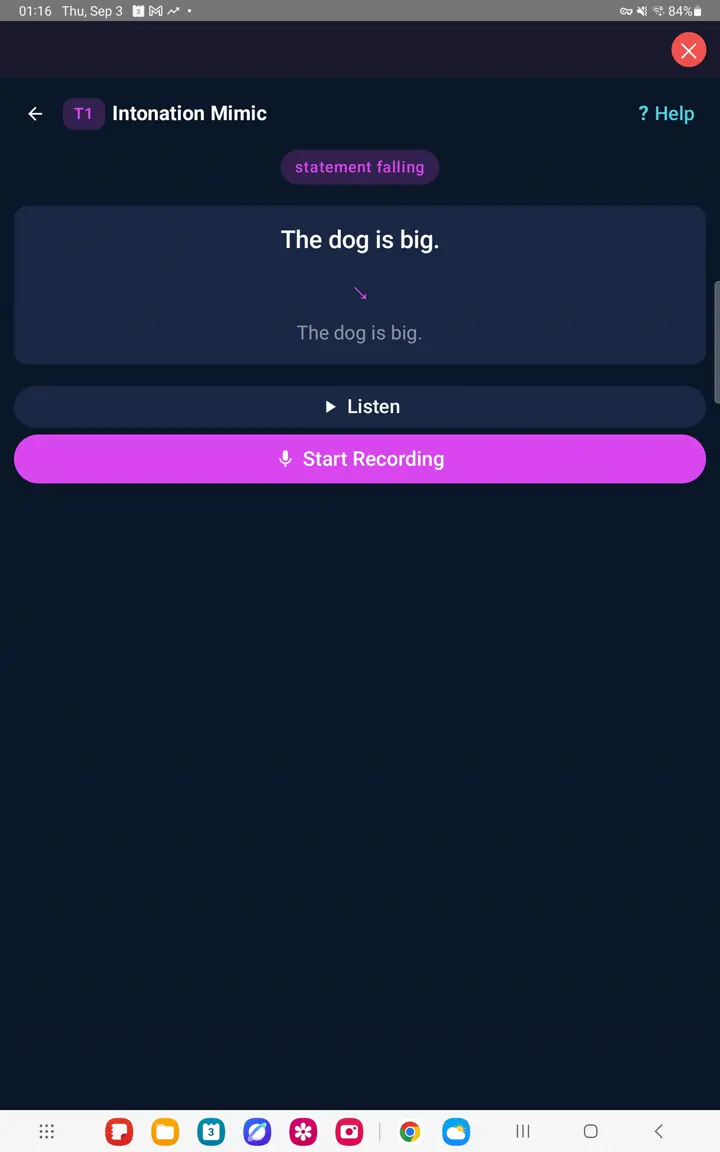
#43 Repeat the Tune learning only
Copy the melody, not just the words. Students hear short phrases with strong intonation contours and imitate the melody as closely as they can. Early prosody practice prevents flat "robot English" later.
Draws on: Intonation contours are systematic and learnable; early imitation builds accurate prosodic templates (Pierrehumbert 1980).
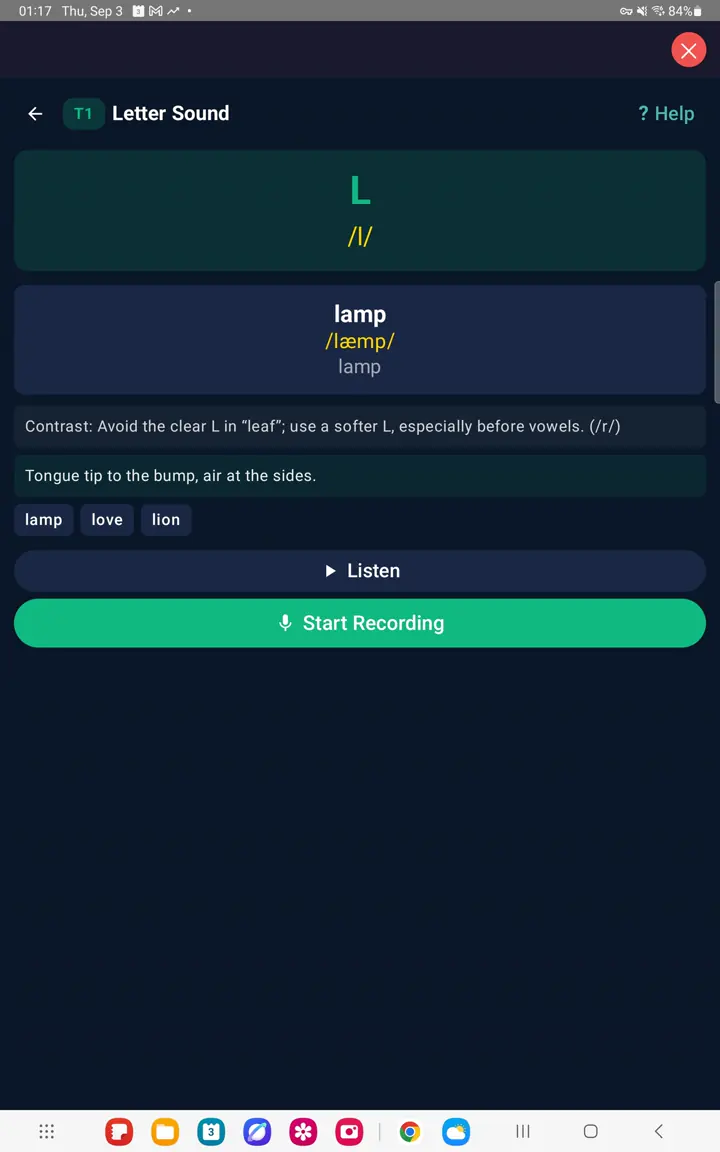
#46 Letter Sound learning only
The very first link: letter to sound. Beginners connect English letters with the sounds they make, one correspondence at a time. This is the entry point of the phonics track for the youngest and newest learners.
Draws on: Grapheme-phoneme knowledge is the foundation of reading acquisition (Ehri 2005; Adams 1990).
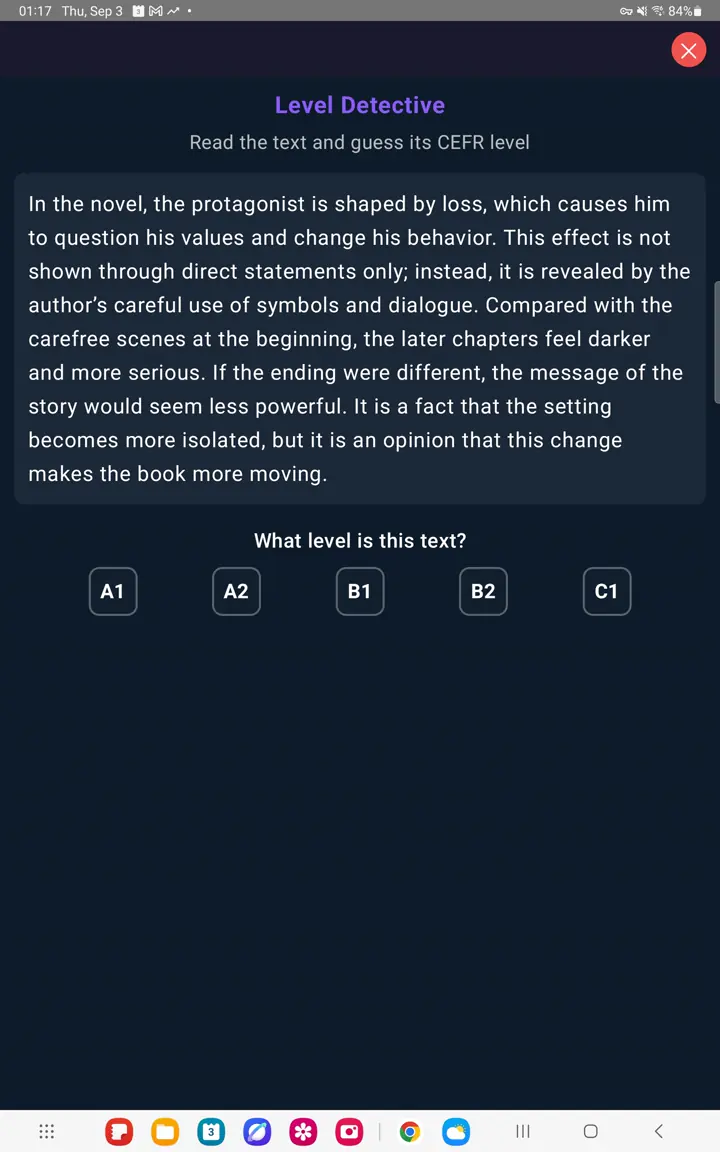
#47 Find Your Level learning and check
Guess how hard a text is. The child reads a short text and guesses its level on the CEFR scale, from A1 to C1. Then the game shows the real level and why: three to five signs in the text — words and grammar — that set that level.
Draws on: Trains noticing what makes a text easier or harder — the same judgement a reader needs to pick texts they can manage.
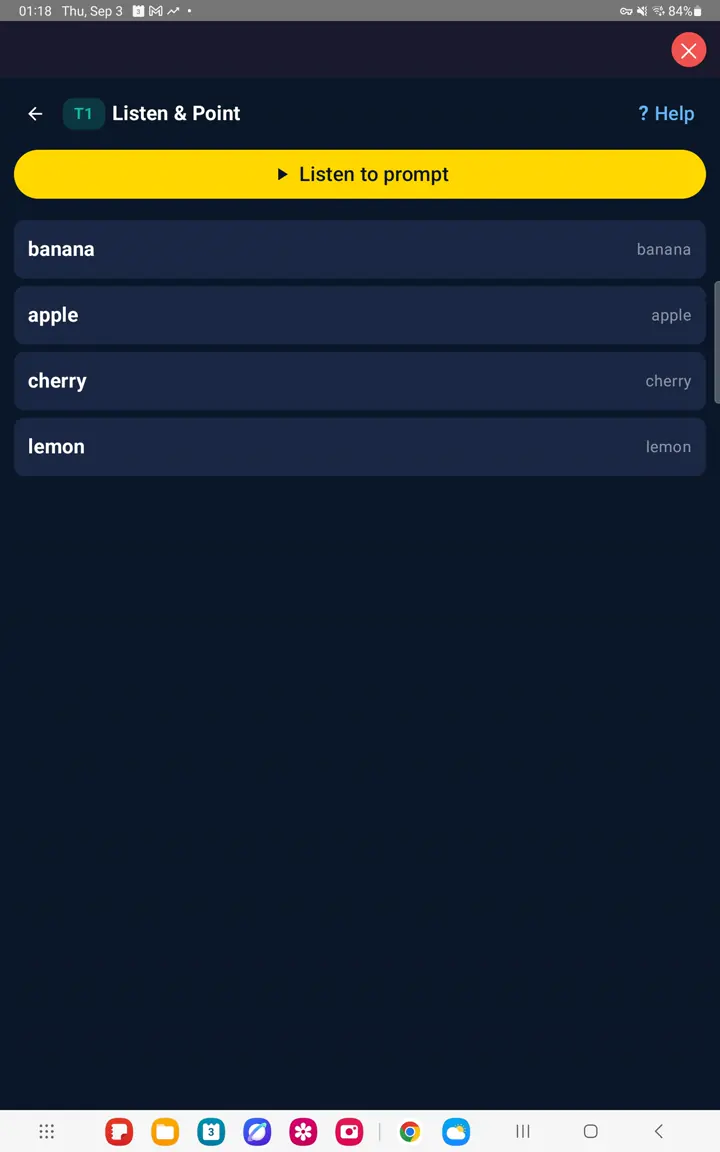
#48 Hear and Point learning only
Hear the word, touch the picture. The simplest possible listening game: a word sounds, the learner taps the matching picture. Zero reading required — comprehension comes first, production later.
Draws on: Comprehension-first, movement-based response follows Total Physical Response principles (Asher 1969).
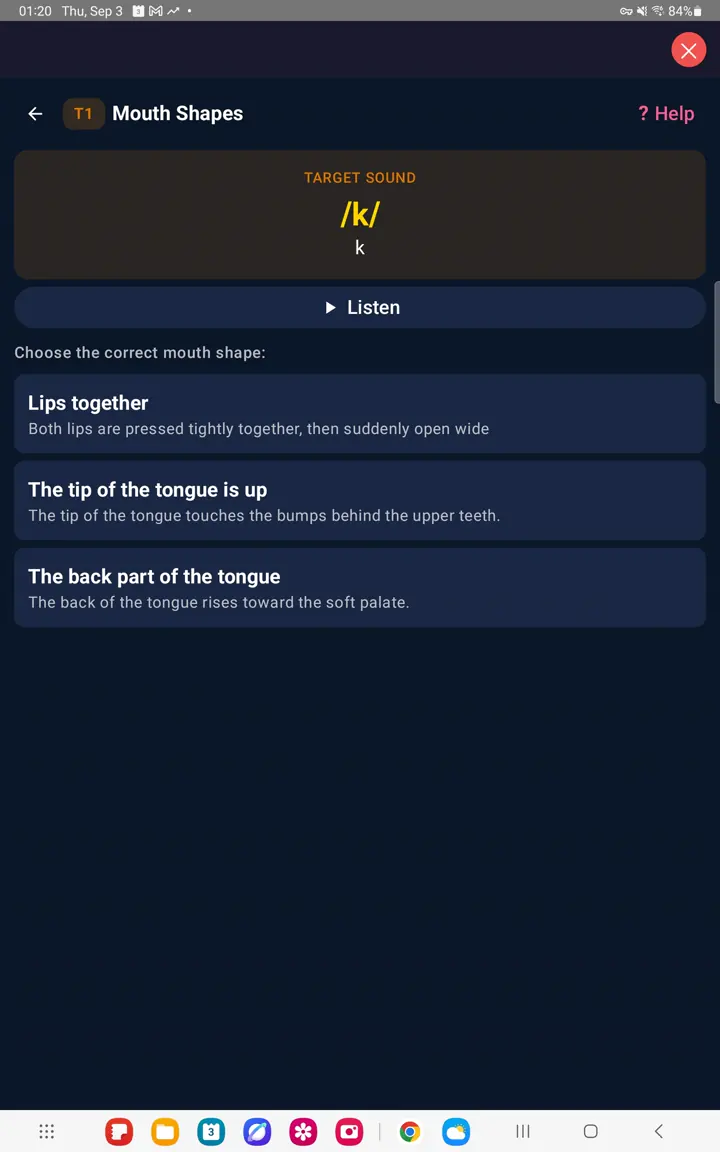
#55 Mouth Shapes learning only
See how the sound is made — then make it. Visual guides show lip and tongue positions for English sounds; students imitate and record. Seeing articulation demystifies sounds that don't exist in the home language.
Draws on: Articulatory awareness — knowing how sounds are physically produced — supports perception and production of new phonemes (Liberman & Mattingly 1985).
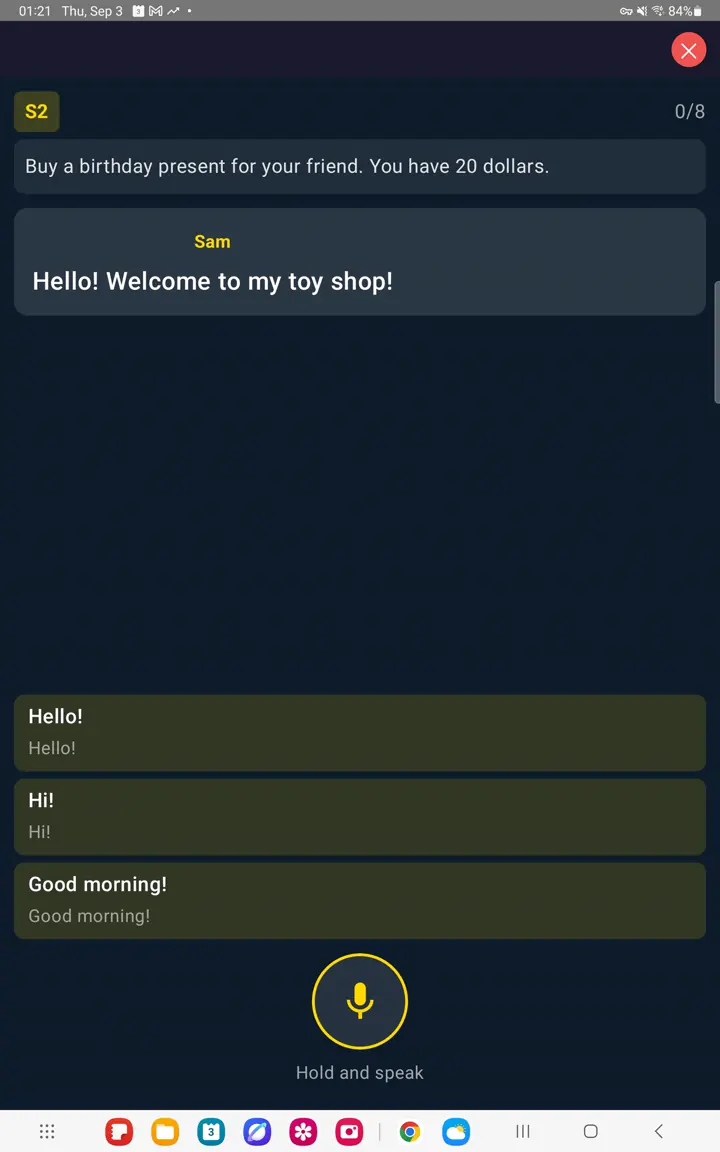
#59 Talk Together learning only
Talk with a goal Hold a dialogue with a set goal and target words, answering in your own words.
#62 Find the Rhyme learning only
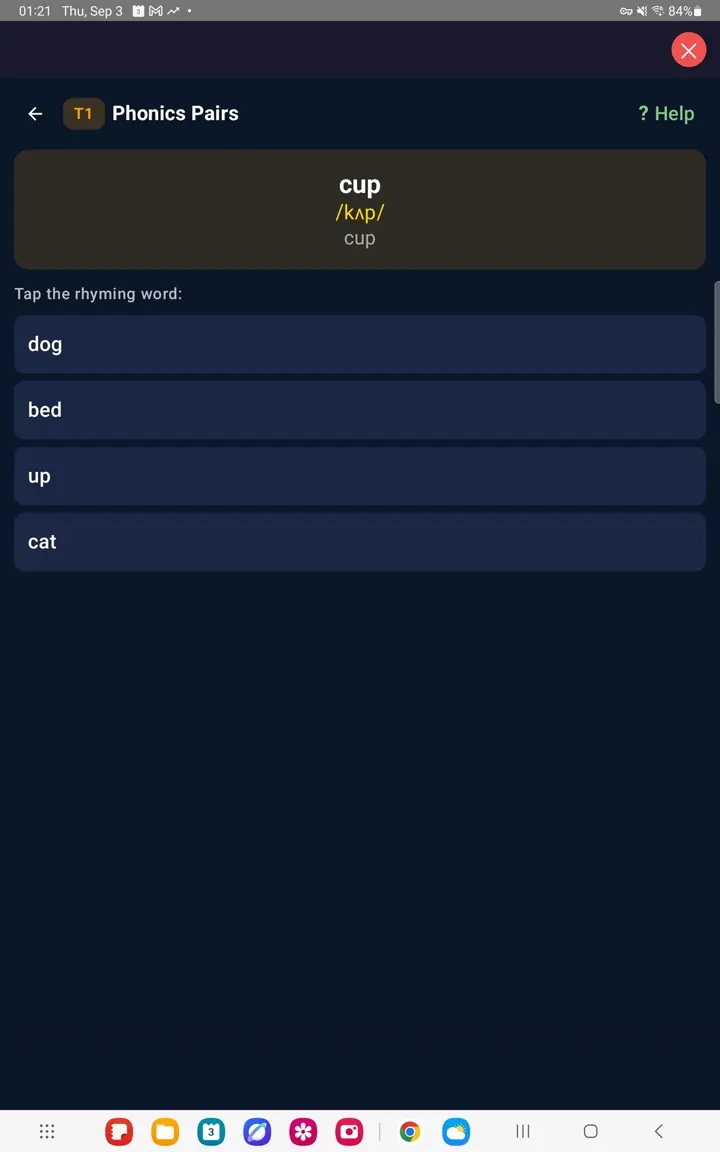
Match the spelling to the sound it hides. A matching game where students pair spelling patterns with the sounds they represent — including the tricky ones like "igh" and "ough". English spelling stops being random.
Draws on: Learning rime and analogy patterns supports decoding in opaque orthographies like English (Goswami & Bryant 1990).
#65 Look and Say learning only
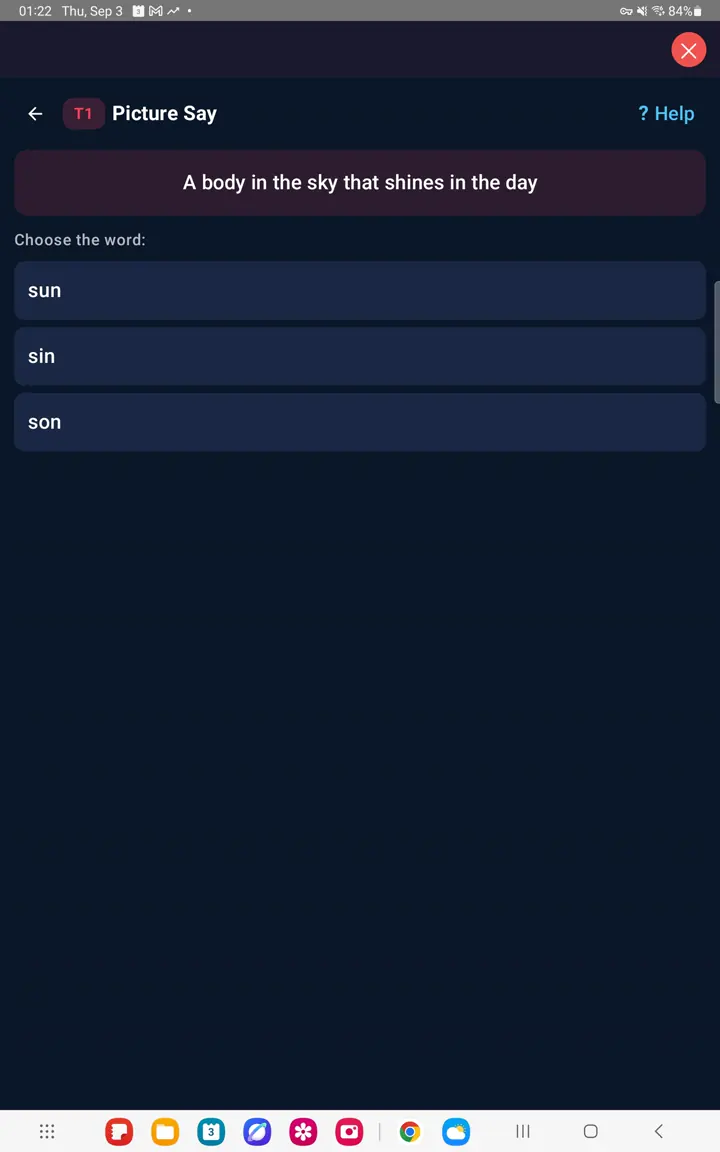
See it, name it, out loud. A picture appears and the learner names it aloud; AI confirms the word and its pronunciation. Retrieval from memory plus articulation doubles the learning effect of every card.
Draws on: Active retrieval practice strengthens memory far more than passive review (Roediger & Butler 2011).
#72 Question Former learning and check
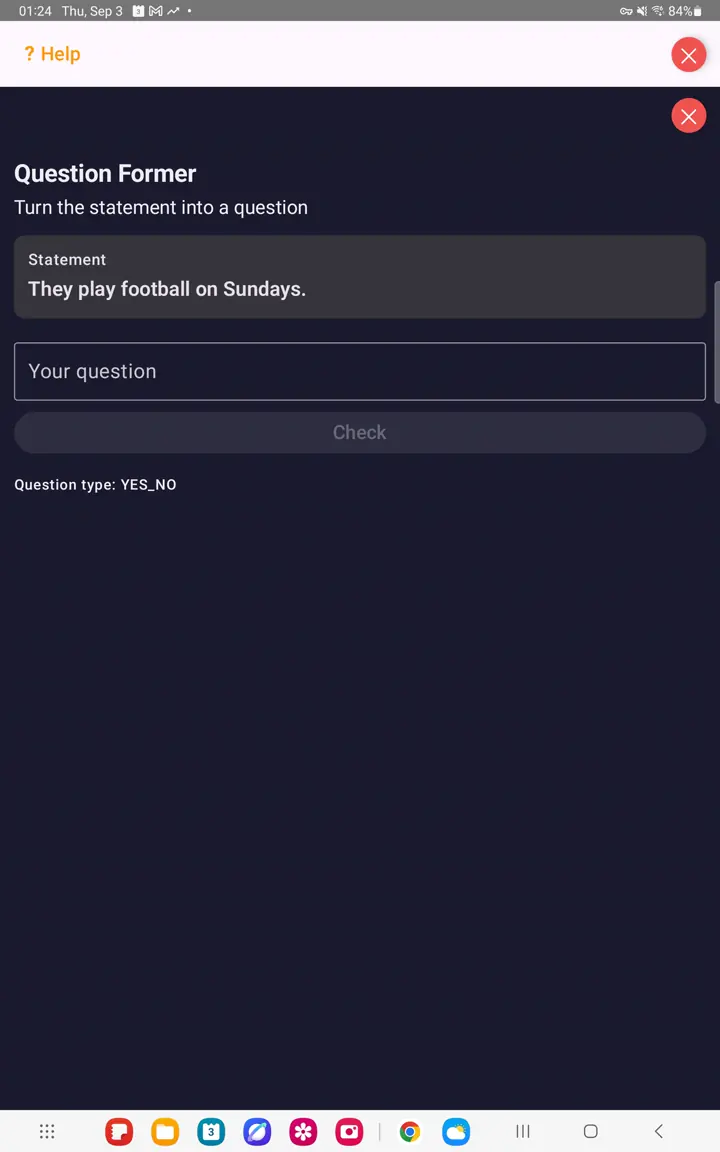
Turn any statement into the right question. Given a statement or an answer, the learner forms the correct question: yes/no, wh-, tag or indirect. Trains the do-support and inversion that many first languages simply do not have.
Draws on: Follows processability theory: question formation develops in predictable stages (Pienemann, 1998).
#78 Say It Right learning only
Expected sound against detected Say the target phrase and see exactly which sounds were expected and which were detected.
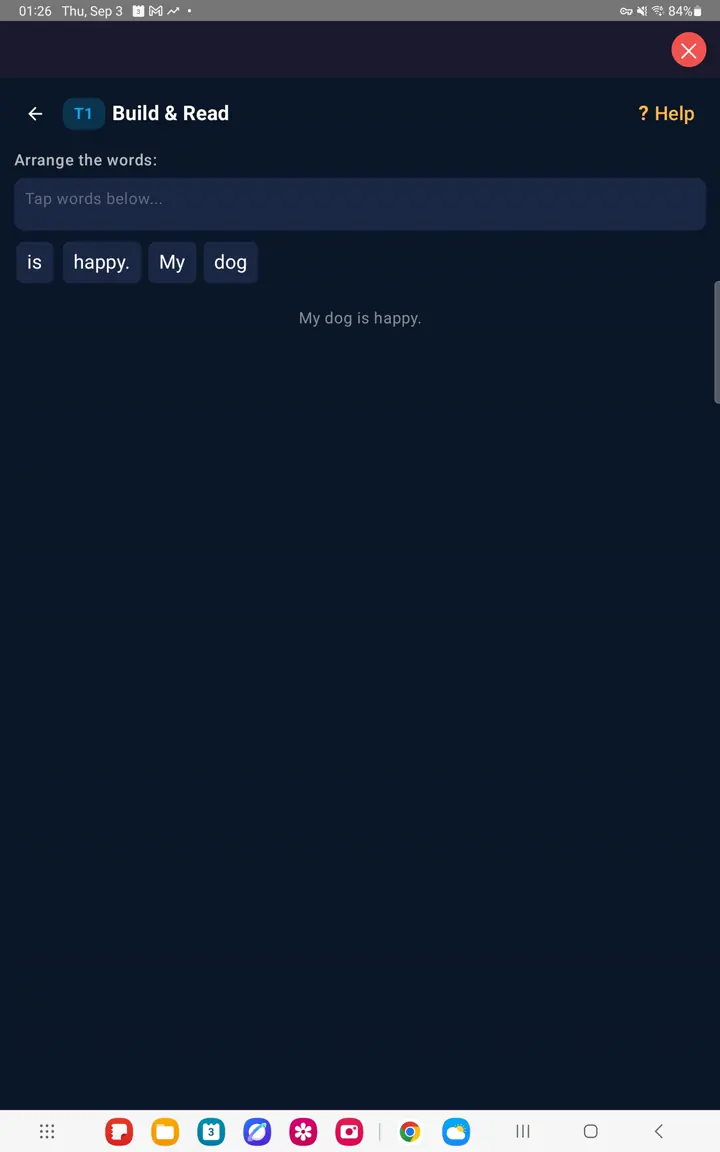
#81 Build and Read learning only
Build the sentence, then say it out loud. Students assemble a sentence from word tiles and then read their creation aloud. Producing the sentence twice — by hand and by voice — locks in both structure and sound.
Draws on: Reading aloud what you produce yourself exploits the production effect: self-generated, vocalized material is remembered best (MacLeod et al. 2010).
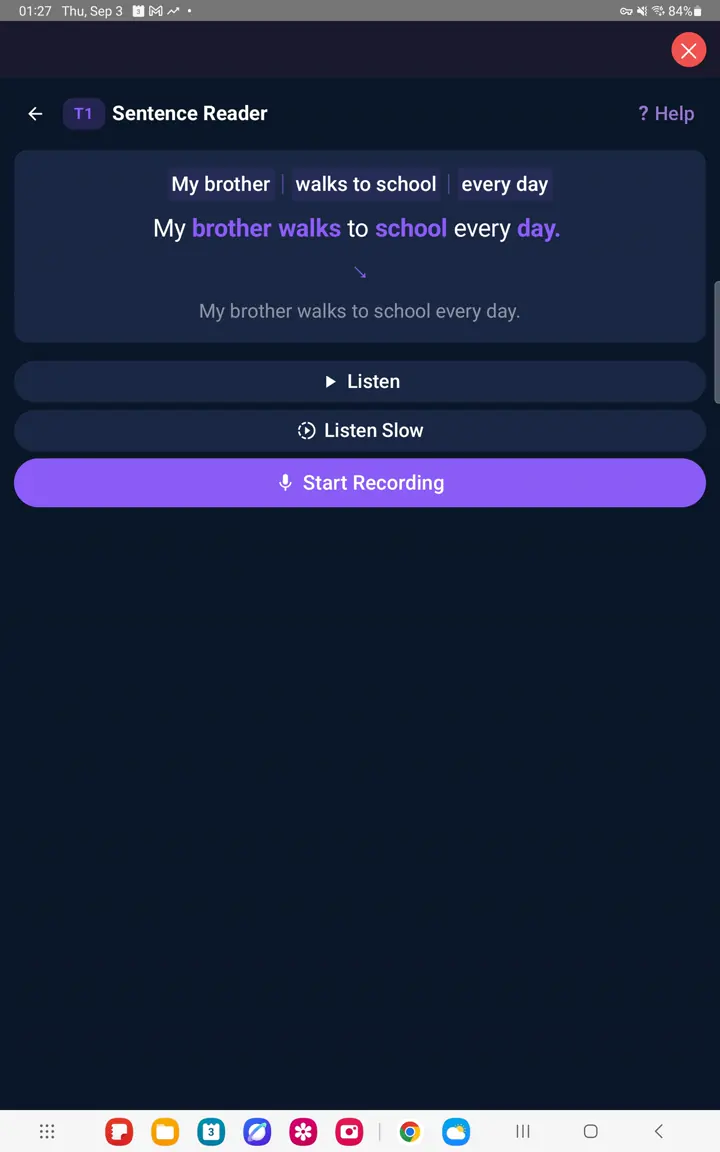
#83 Read the Sentence learning only
From single words to whole sentences, aloud. Beginners read short simple sentences aloud with word-by-word AI feedback. The bridge between naming words and reading real text.
Draws on: Fluency develops when decoding becomes automatic, freeing attention for meaning (LaBerge & Samuels 1974).
#87 Hear and Choose learning only
Which words start with the same sound? Young learners match pictures and words that share a beginning sound. The game builds the ear for sounds before letters even enter the picture.
Draws on: Phonemic awareness — hearing the sounds inside words — strongly predicts later reading success (Adams 1990).
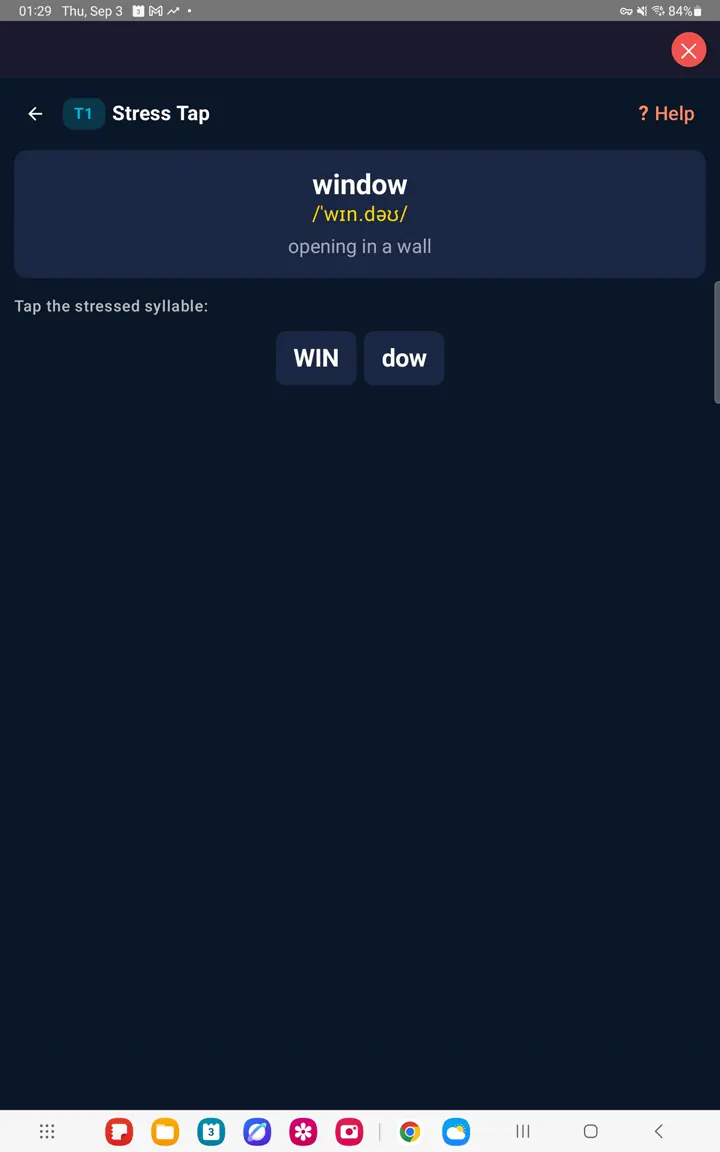
#90 Tap the Stress learning only
Tap the beat of the word. Students listen to words and tap the rhythm, marking the stressed syllable physically. Feeling stress in the body makes an abstract feature concrete for beginners.
Draws on: Metrical stress patterns are foundational to English rhythm and can be trained through motor response (Hayes 1995).
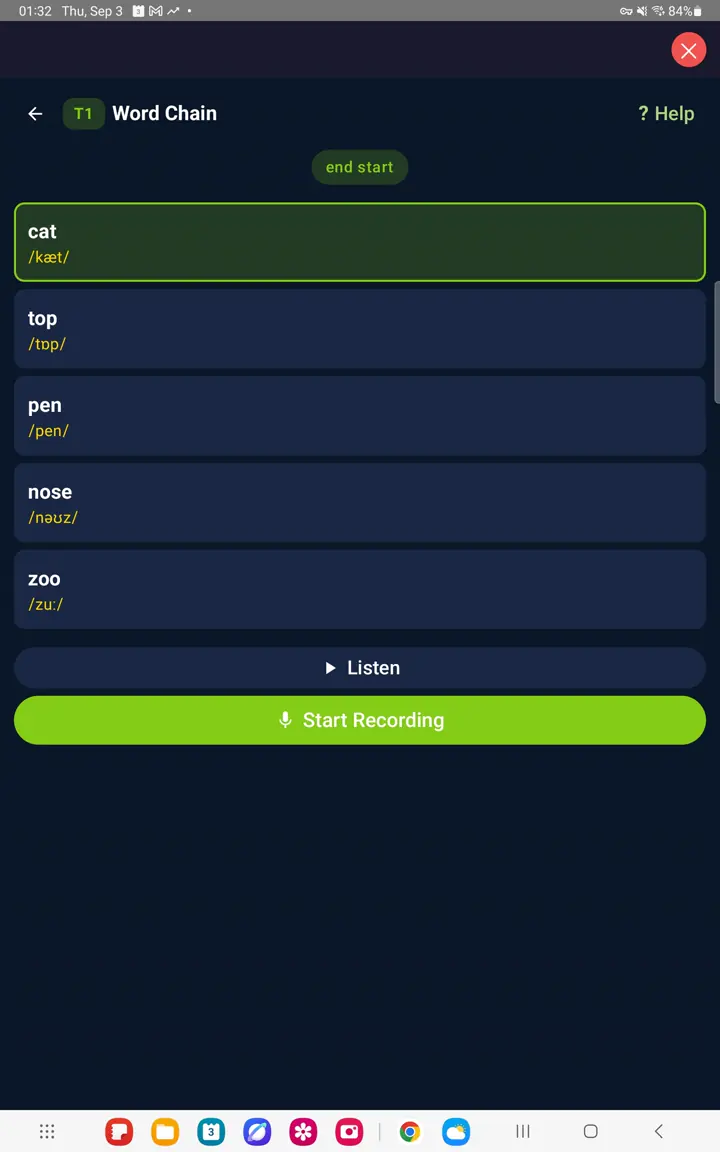
#101 Word Chain learning only
Cat — top — pen: link words by their sounds. Students build chains where each word starts with the final sound of the previous one. A playful workout for hearing where words begin and end.
Draws on: Sound-based word games strengthen phonological processing, which underpins both listening and reading (Radeau et al. 1989).
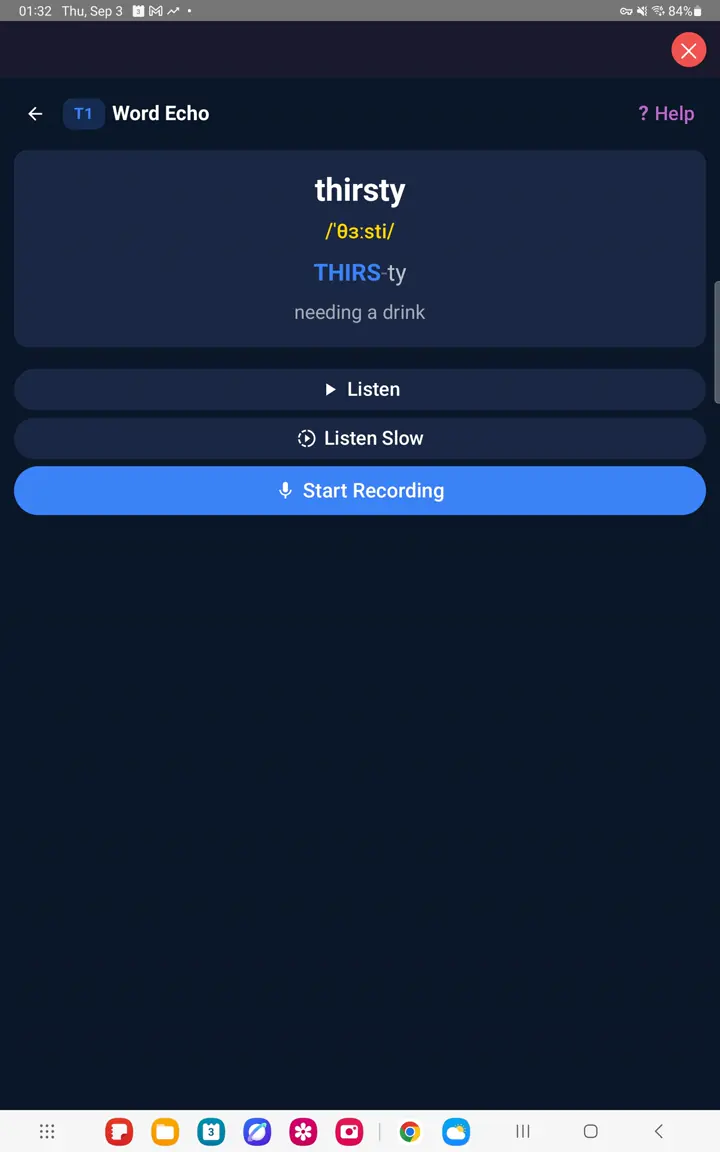
#102 Repeat the Word learning only
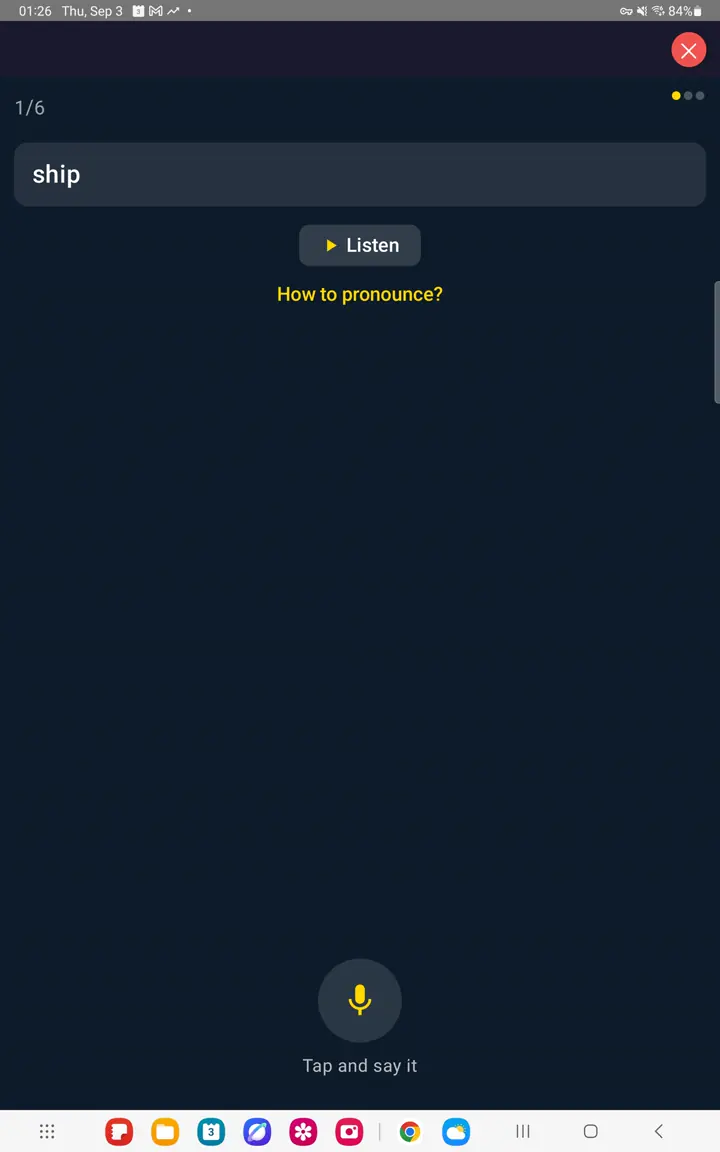
Hear it, say it back, get it right. Students hear a word and immediately repeat it into the microphone, then get a tip on the sound worth another try. Tight listen-repeat loops build the sound-motor link for new vocabulary.
Draws on: Immediate vocal repetition engages the phonological loop, the working-memory system behind word learning (Baddeley 1992).